
Fragrance allergens and their expanding regulatory impact
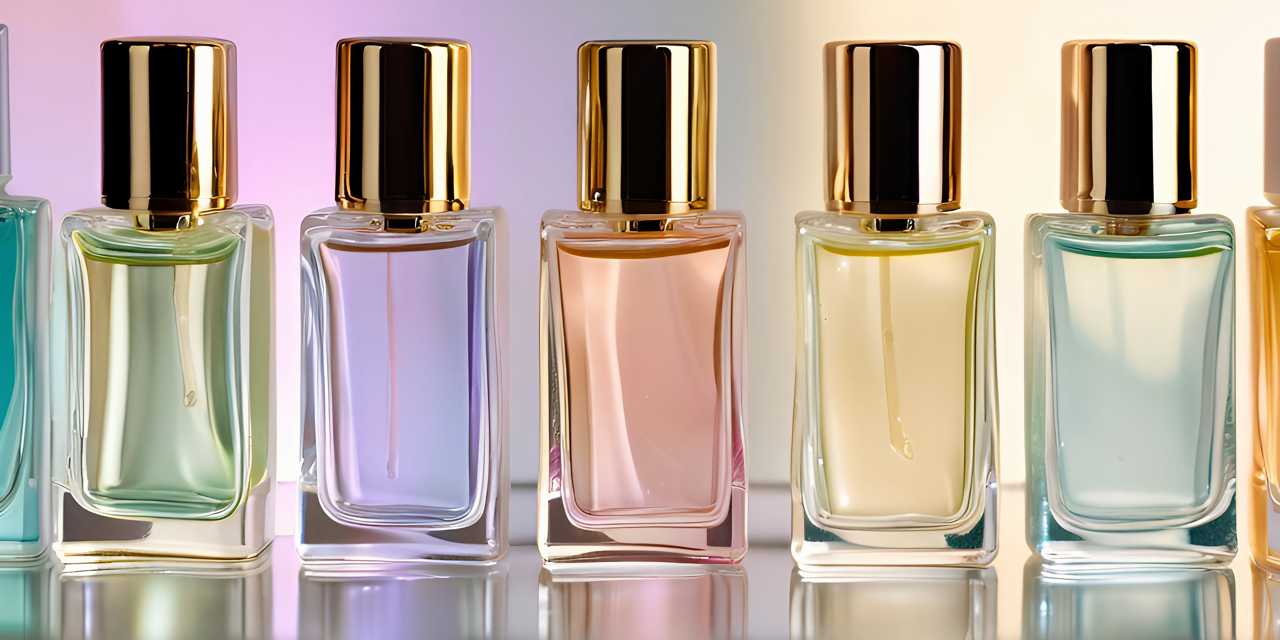
Fragrance has always been one of the more delicate areas of cosmetic safety, sitting at the intersection of composition, labelling, and marketing. The European Union (EU) has required certain fragrance allergens to be individually declared on labels since 2005, when 26 substances were first added to Annex III of the Cosmetics Regulation. That list has since grown substantially, and the industry has already passed its first major compliance milestone.
What changed
Regulation (EU) 2023/1545, published in July 2023, amended Annex III of Regulation (EC) No 1223/2009 and expanded the list of fragrance allergens requiring individual declaration to more than 80 substances. The update reflected a 2011 opinion from the Scientific Committee on Consumer Safety (SCCS), and beyond simply adding new entries, it also revised some substance names to align with the latest version of the Common Ingredients Glossary and to group similar substances in one entry.
The thresholds haven’t moved
What hasn't changed is how the declaration obligation is triggered. A qualifying allergen needs to appear individually in the ingredient list once it exceeds 0.001% in leave-on products or 0.01% in rinse-off products. What's changed is simply how many substances that threshold now applies to, which means formulations that never needed an individual allergen declaration before may now require one.
One deadline down, one still ahead
Compliance follows a two-stage timeline. As of 31 July 2026, any product placed on the market for the first time must already meet the updated labelling requirements. Products that were already on the market before that date can still be sold under the previous labelling, but only until 31 July 2028, after which the extended list applies universally. In practice, this means the industry is now in the transitional window: new launches should already reflect the updated list, while legacy stock has a defined runway left before it needs to catch up too.
The practical reach
The practical impact goes beyond adding a few names to an ingredient list. A number of the newly regulated substances are common natural substances, including ingredients like citrus extracts and various essential oils, which means products that were never thought of as containing "fragrance allergens" in the traditional sense may now need re-evaluation. This also affects the Cosmetic Product Safety Report (CPSR) and the Product Information File (PIF), both of which need to reflect the same allergen data as the label itself.
The expanded allergen list is a reminder that compliance isn't static. As scientific understanding of skin sensitisation evolves, so do the substances cosmetic companies are expected to declare. With the first deadline already behind us and the second approaching in 2028, any product still labelled under the previous list should be reviewed now rather than closer to the final cut-off.
References: